AI Grocery Lists for Busy Weeks: Plan Fast, Shop Smarter
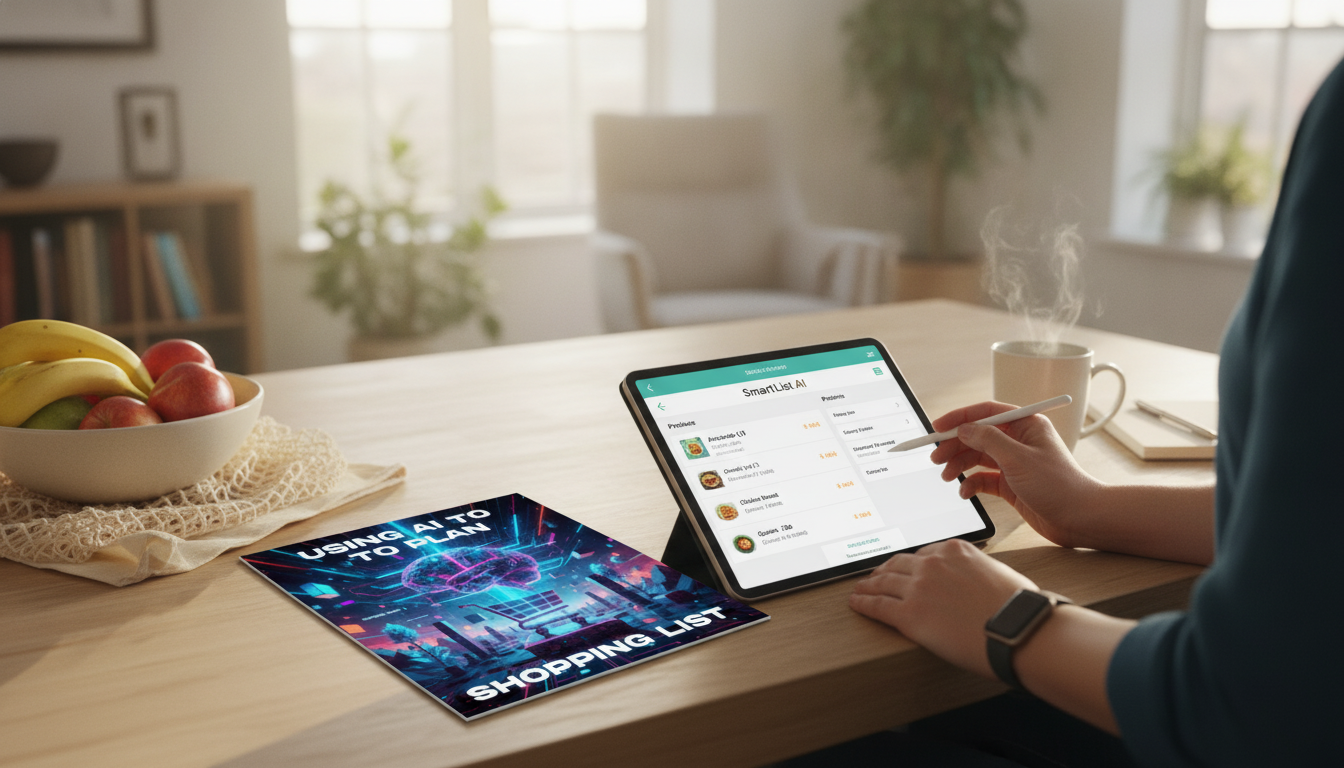
Smart Grocery Planning for Busy Weeks: Using AI to Build a Shopping List That Actually Works
A well-built grocery list saves time, reduces impulse buys, and makes weeknights easier. With a few clear details, AI can turn meal ideas, dietary needs, and store preferences into a practical, organized checklist that’s ready to tap through on a phone or print for the fridge. The key is getting the “inputs” right—so the list reflects real life (tight schedules, real budgets, real grocery stores) instead of sounding like a generic meal plan.
What “AI-planned” grocery lists do differently
Traditional lists often start as a brain dump: “chicken, veggies, milk,” and then turn into multiple store laps and last-minute add-ons. AI-planned lists work better because they translate your intentions into a complete, usable shopping run.
- They turn rough meal ideas into an itemized list with quantities and sensible substitutions (so “tacos” becomes tortillas, protein, toppings, and a backup option if one item is out).
- They group items by store section to reduce backtracking (produce, dairy, pantry, frozen, household).
- They adapt to constraints: budget limits, allergies, dietary patterns, picky eaters, and limited cooking time.
- They factor in what’s already at home to reduce duplicates and food waste.
- They create reusable weekly templates, like “5 dinners + 7 lunches + snacks” or “two-store run” plans.
For nutrition guardrails when you’re setting goals (more veggies, more whole grains, better balance), resources like USDA MyPlate can help you decide what your “default” plate should look like before you generate a list.
Set up the inputs that make AI helpful (and not generic)
AI gets practical when it knows your constraints. A few specifics can prevent the most common problems: unrealistic recipes, odd ingredients, and quantities that don’t match your household.
- Household basics: number of people, typical servings, weekday vs. weekend cooking time.
- Food rules: allergies, intolerances, disliked ingredients, nutrition priorities (higher protein, more fiber, lower sodium).
- Budget and shopping style: target total spend, preferred store(s), brand preferences, bulk vs. small packs.
- Kitchen reality check: available appliances, pantry staples to assume, leftover strategy (cook once, eat twice).
- Inventory snapshot: what’s already on hand (proteins, grains, sauces, frozen veg, snacks).
| Input | Example | Why it matters |
|---|---|---|
| Time per dinner | 20–30 minutes | Keeps recipes and ingredient lists realistic for busy nights |
| Budget target | $90 for 1 week | Prioritizes affordable swaps and avoids add-on items |
| Must-avoid foods | Peanuts, shellfish | Prevents unsafe suggestions and hidden ingredients |
| Staples assumed | Olive oil, rice, garlic | Avoids cluttering the list with items already stocked |
| Shopping preference | One store + curbside pickup | Encourages simple ingredients and fewer specialty items |
A simple workflow: from meals to an organized checklist
When weeks are packed, the goal isn’t perfection—it’s a repeatable system that produces a list you can trust.
- Choose the week’s structure: for example, 5 dinners, 5 lunches, 2 breakfasts, and 3 snacks.
- Pick a theme to limit ingredients: taco night, stir-fry, sheet-pan meals, pasta + salad, or “mix-and-match bowls.”
- Ask for ingredient reuse: one protein, one veggie, and one sauce used multiple ways (less waste, fewer one-off purchases).
- Convert the plan into a categorized list: include quantities and notes (brand, size, substitute).
- Add a “check pantry first” section: do a 2-minute scan before finalizing.
- Export to two formats: a digital checklist for the store and a printable version for the fridge.
If your plan includes raw meat, cut produce, or ready-to-eat foods, keep food safety basics in mind when shopping and storing; the FDA’s food safety guidance for consumers is a reliable reference for safe handling.
Tips that save the most money and time
Make it practical: checklist formats that stick
A ready-to-use digital checklist and printable download
For a fast start, a structured template makes weekly planning feel automatic instead of starting from scratch. The Using AI to Plan Shopping List | Digital Checklist | Smart Grocery Planning Guide for Busy Shoppers | Tips for Using AI to Plan Shopping Lists | Printable eBook Download is designed to turn meal ideas into a categorized shopping run with fewer missed items, whether you shop in-store or via pickup.
If your biggest bottleneck is household clutter or the mental load of managing “stuff” alongside meal planning, pairing your grocery system with Clear Mind, Clear Space | Digital Guide on How to Use AI to Declutter Your Space | Minimalist Home & Productivity eBook for Calm and Focus can make routines easier to maintain. And if you want a broader foundation for building better workflows (lists, schedules, messages, templates), The Ultimate Guide to Using AI Like a Pro | Learn How to Use ChatGPT Effectively | Digital Download eBook for Beginners & Creators supports more repeatable systems beyond groceries.
Common pitfalls (and how to avoid them)
FAQ
How can AI help reduce grocery spending?
It can plan meals that reuse the same core ingredients across multiple days, suggest cheaper swaps by price tier, and limit one-off items that drive up totals. Separating a must-buy core list from optional add-ons also makes it easier to stay on budget without feeling deprived.
Is a digital checklist better than a printable grocery list?
Digital lists are better for sharing, live updates, and quick reordering, especially for pickup or delivery. Printable lists are faster to scan and mark off in-store, so a hybrid setup (master staples + weekly add-ons) often works best.
How do you keep an AI-generated list from being unrealistic?
Give clear constraints upfront: total budget, max cook time, preferred store, and which staples are assumed to be in the pantry. Ask for quantities tied to servings and require substitutions so the list stays workable when items are unavailable.






Leave a comment