Smart vs. Smarter: Meaning, Grammar, and Examples
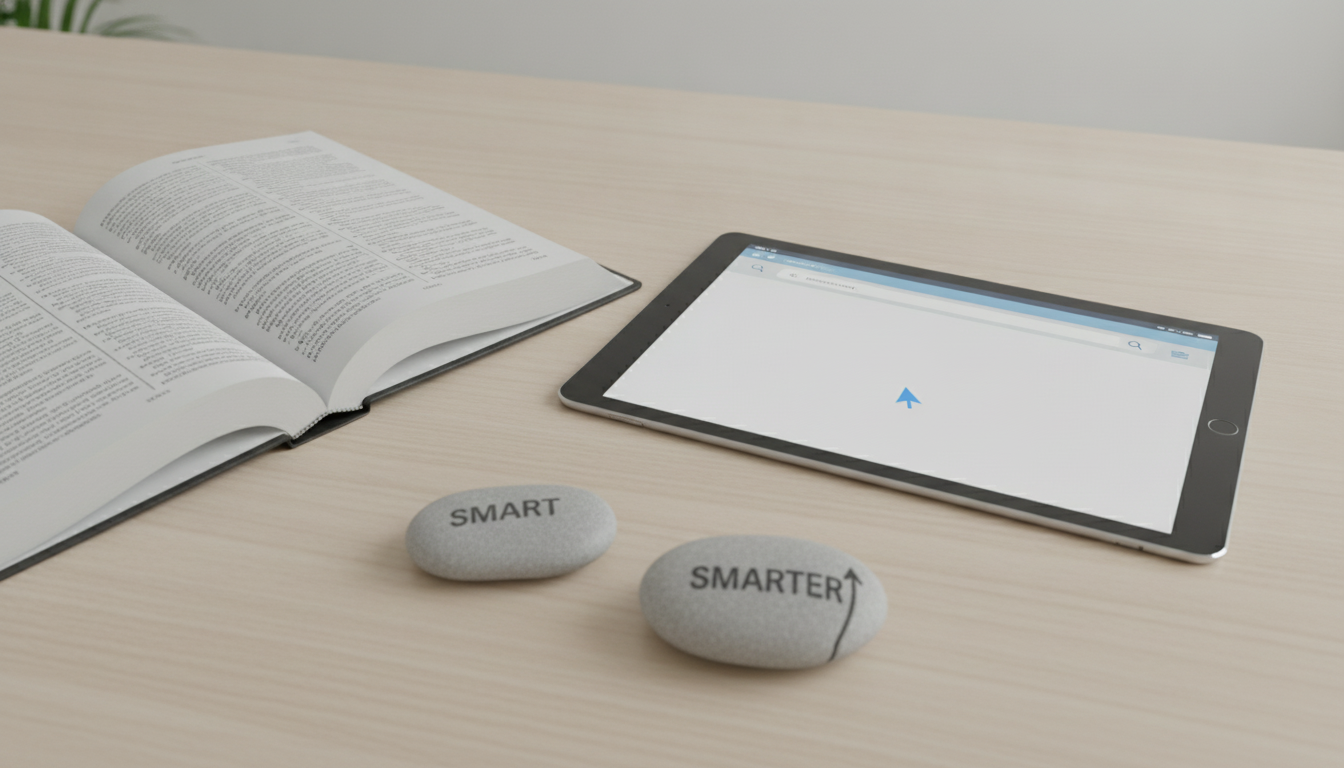
What is the difference between smart and smarter?
“Smart” and “smarter” are two forms of the same adjective, but they do different jobs in a sentence. “Smart” is the base form that describes someone or something as intelligent or capable. “Smarter” is the comparative form used when you’re measuring intelligence or good judgment between two (or more) people, things, or situations.
Smart vs. smarter: how each word is used
“Smart” (base adjective)
Use “smart” when you’re making a general statement without comparing. It answers the question: what is it like?
Examples: “That’s a smart idea.” “She’s smart and picks things up quickly.” “A smart thermostat can reduce energy waste.”
“Smarter” (comparative adjective)
Use “smarter” when you’re comparing levels of intelligence, strategy, or decision-making. It answers the question: compared to what?
Examples: “This option is smarter than the cheaper one in the long run.” “He’s gotten smarter about budgeting.” “A smarter layout makes the room feel larger.”
Common patterns and meaning shifts
“Smarter” often shows up with than (“smarter than…”) or with context that implies comparison (“smarter choice,” meaning a better decision versus alternatives). Also, “smarter” can describe improved judgment over time, not just raw intelligence: “She’s smarter about her schedule now.”
In everyday shopping language, “smart” can mean “convenient, connected, or automated” (smartwatch, smart plug). “Smarter” can suggest a more advanced or more efficient version: a “smarter” device might have better automation, faster performance, or more useful features than a prior model.
For additional examples and a deeper breakdown of usage, visit the main guide on smart vs. smarter.
For Smart vs. Smarter: Meaning, Grammar, and Examples, the best answer depends on fit, material, care instructions, and how the product will be used day to day.
FAQ
What does “smart” mean in products like “smart TV” or “smart home”?
In product names, “smart” usually means the device connects to the internet or other devices and can run apps, automate tasks, or be controlled remotely. It’s less about intelligence and more about connected features and convenience.







Leave a comment